When Love Feels Heavy: A Letter to Parents
The recent tragedy involving a mother and daughter taking their own lives has left all of us feeling deeply heartbroken and heavy-hearted.
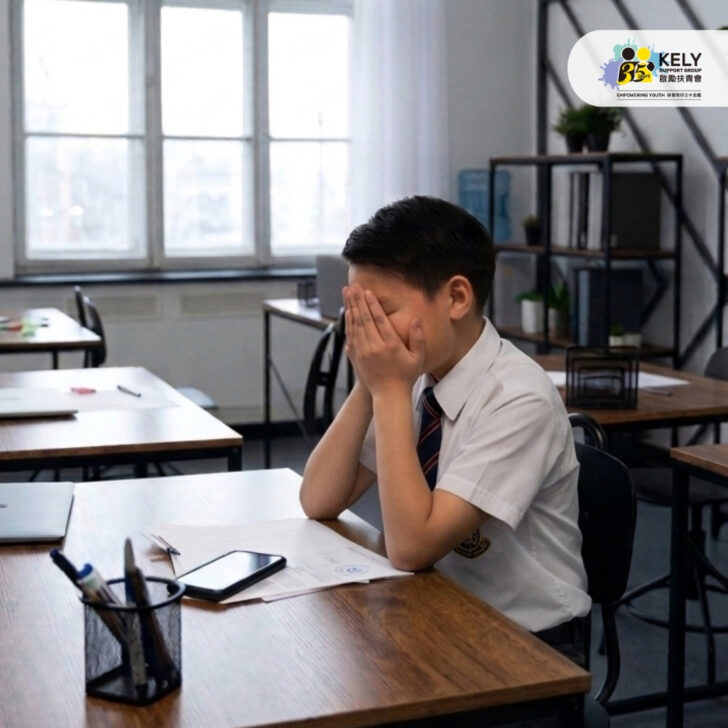
This heartbreaking event calls us to pause and reflect on something many Hong Kong families quietly live with every day: the enormous pressure surrounding youth's academic performance, which can strain the parent-child relationship and affect parents themselves.
As the DSE results are released, we strongly encourage parents to closely monitor their children’s emotional well-being and provide timely support and positive encouragement.
The Relationship Comes First
At KELY, we work closely with young people across Hong Kong, and one thing they repeatedly tell us is that they want to feel heard, accepted, and valued by their parents, not just for their results but, most importantly, for who they are.
Adolescence is a critical time of profound change. Young people are forming their identities, learning to manage complex emotions, and figuring out where they fit in the world. During this stage, the quality of the parent-child relationship directly affects a young person's mental health, resilience, and sense of self-worth. Research and experience consistently show that young people who feel securely connected to their parents are more willing to seek help when needed and are better equipped to bounce back from setbacks.
Having academic expectations isn't inherently wrong: parents naturally want the best for their children. But when a youth experiences those expectations as conditional love, it can quietly erode trust and safety within families, making them think, “I am only valued when I perform well".
Dear parents, here are some friendly reminders from us:
Regularly review your expectations: Ask yourself if these expectations are realistic and fair, given your child's individual strengths, temperament, and traits.
Separate academic performance from self-worth: Praise effort, curiosity, and perseverance, not just grades.
Create space for relaxed, personal conversations: Move beyond academics to check in on their daily life, hobbies, and personal thoughts.
Let home be a true safe haven: Reassure your child that no matter how storm-tossed the outside world is, home is always a safe place for them.
Step back during arguments: When emotions run high, try to take a step back and return to the conversation once both of you are calm, avoiding hurtful words spoken in the heat of the moment.
You Are Allowed to Struggle Too
Parenting in Hong Kong is genuinely hard. Many parents carry extraordinary loads: long working hours, financial pressures, and the relentless demands of a highly competitive education system. It is completely natural for parents to feel exhausted and burned out.
If you wake up feeling drained, find yourself losing patience with your child, constantly doubt whether you are doing anything right, or find yourself snapping for no reason—This is a sign that you’ve reached your limit, and you need to take good care of yourself, too.
Please remember that you are not alone. Asking for help is not a sign of weakness, but a brave expression of love for yourself and your family.
If you are feeling overwhelmed, try taking these small steps:
Pause when emotions run high: Temporarily step away to take a few deep breaths and steady yourself before returning to face your child.
Share the load instead of carrying it alone: Where possible, divide parenting responsibilities with your partner or family members, and accept support from others.
Protect some "Me Time": Giving yourself dedicated time is not selfish. Only when your own battery is recharged can you have the energy to accompany your child.
Seek professional help when needed: Persistent exhaustion, irritability, or feelings of helplessness are warning signs. Please do not hesitate to reach out to professionals early.
How to Talk With Your Child: "Respect & Non-Judgment" is the Key
Communicating with young people is a skill that takes practice. Here are the core principles KELY advocates in our work with youth and families:
1. Listen to understand, not to respond
Listen more to what your child has to say and try to notice the emotion underneath their words before jumping in with advice or correction. The purpose of listening is to understand, not to give suggestions.
2. Validate emotions before problem-solving
Before offering solutions, try saying: "That sounds really stressful..." or "I understand why you feel so upset." Young people are far more receptive to advice when they feel understood and their hearts open up.
3. Choose curiosity over judgment and comparisons
Phrases like "Why can't you be more like them?" or "If you fail this exam, your future is ruined" only push children into shame and destroy their confidence. Try swapping them for open-ended questions: "Which part has been feeling particularly difficult for you? Want to talk about it?"
4. Express your genuine care calmly
Try sharing your own feelings genuinely, such as: "I've been feeling a bit worried about you lately, and I'd love to understand how you're doing." This models emotional literacy for your child while opening the door to an authentic, meaningful connection.
5. Grant your child growing autonomy
Involve them in decisions, respect and accept their thoughts, and acknowledge them when they make choices. Don't wait until a problem arises to start communicating with them.
At KELY Support Group, we firmly believe that every youth deserves to grow up in an environment where they feel safe, loved, and supported. And that strength begins with the most genuine relationship between a parent and child.